Quantum Stuckness
The paradoxical source of strength for insurmountable times of uncertainty

Most of us don’t realize it, but we’re often trapped in two problems at once. And we keep trying to solve the wrong one.
A client once told me, “I don’t know how to get out of the hole.” He was trying to help his son navigate a painful chapter, and in doing so, he had slipped into a hole of his own. Every ounce of energy went to fixing, helping, supporting. And yet the more my client pushed, the more stuck he felt.
If you were stuck at the bottom of a hole, you wouldn’t sit there waiting to be rescued. You’d try something — anything. Just like the client was doing, you’d dig your fingers into the wall, you’d look for footholds, you’d shout until someone heard you. You’d experiment, even if you weren’t sure what would work.
The truth is, my client wasn’t in one hole. Somehow — by the magical laws of quantum physics — he was in two holes at the same time. One was obvious: the situation itself, messy and unpredictable, unfolding largely beyond his control. The other was more insidious — the internal pit he’d dug trying to manage the first one. He was grappling with uncertainty and novelty while simultaneously trying to control them. It’s a paradox that almost everyone faces when things fall apart: you’re fighting the fire and the exhaustion from fighting the fire. Watch AppleTV’s “The Last Bus,” for cinematic reference. Or “Dante’s Peak;” “Speed.”
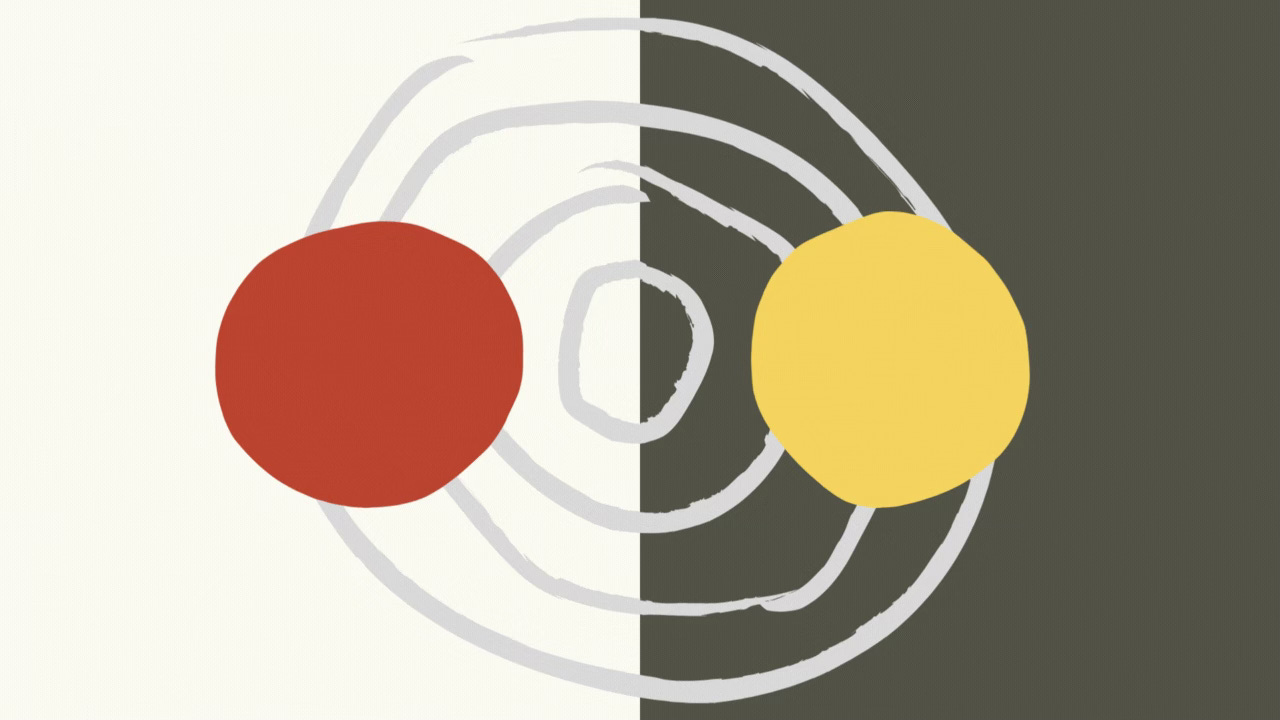
It’s like trying to climb out while carrying your own body weight on your back — or solving a maze while the walls are still being built around you. And the more you strain against it, the deeper you sink. Two holes, one person, both pulling you down in different ways. No wonder it felt impossible to climb.
There’s a term I’ve started using for this state: quantum stuckness. It’s what happens when you’re trapped in two realities at once — the external problem you can’t fully control and the internal depletion that quietly controls you. Most people attack the outer situation first, believing that if they can just fix that, everything else will settle. But it never works. The only way out of both holes is to attend to the one you can actually climb out of — the internal one. Solve the burnout, and suddenly the walls of the outer hole don’t seem as steep. Solve the burnout, and the footholds you couldn’t see before begin to appear.
“God, grant me the serenity to accept the things I cannot change, the courage to change the things I can, and the wisdom to know the difference.” - Serenity Prayer
And if you think there’s heroism in solving the external problem before addressing burnout, you’re wrong. First of all, what you choose to do becomes a model for others. Do you really want to model chasing low-odds, mostly-out-of-your-control behaviors? Probably not.
In fact, if someone came to you with this same dilemma, you’d likely advise them to control what’s in their control and get on with it. It’s not sexy or heroic. It’s not something you’ll brag about or something that will impress anyone. The anti-burnout behaviors are often boring. They’re small. They’re invisible. But they matter. They change the trajectory of your health — and therefore your ability to either solve or simply be present for whatever might happen with the external situation you’ve been chasing.
Fix the system that sustains you before you try to fix the situation that surrounds you.
When you’re burned out, the task is not to be heroic. It’s to humble yourself to the reality of the state you’re in. It’s to return to first principles: capacity before complexity.
Without addressing the depletion, the exhaustion, the relentless drain of being “on” for everyone else, you cannot solve the problem fully. At least not without sacrificing yourself in the process. That sacrifice has been normalized. For people pleasers and perfectionists, it’s almost the default response: I will fix this, even if it breaks me. But that isn’t resilience. It’s self-erasure dressed up as responsibility.
Let some shit fall apart. Let some waves go back to sea.
Here’s a dare: Allow yourself — even for a heartbeat — to be less than enough. Let something go undone. Let the people around you feel the weight of their own choices. Let them struggle, stretch, rise, or even fail. Watch what happens when you step back far enough for them to meet the moment without you as the safety net. Be a rock, not a wave.
You think your service to others is in stirring up a solution — in rushing to fix, solve, and save. It’s not. Real service is in being so sturdy that you serve your needs first, so you have the strength and resilience to serve others second. It might sound absurdly selfish, but it’s the only sustainable way to survive, especially on the far side of burnout.
Be bold enough to let the problem breathe — to let it unfold, or collapse, or even solve itself — while you tend to yourself. And when the urge to swoop in claws at you, resist it. Stand still. Remind yourself that not every fire is yours to put out, and not every outcome improves by your hand.
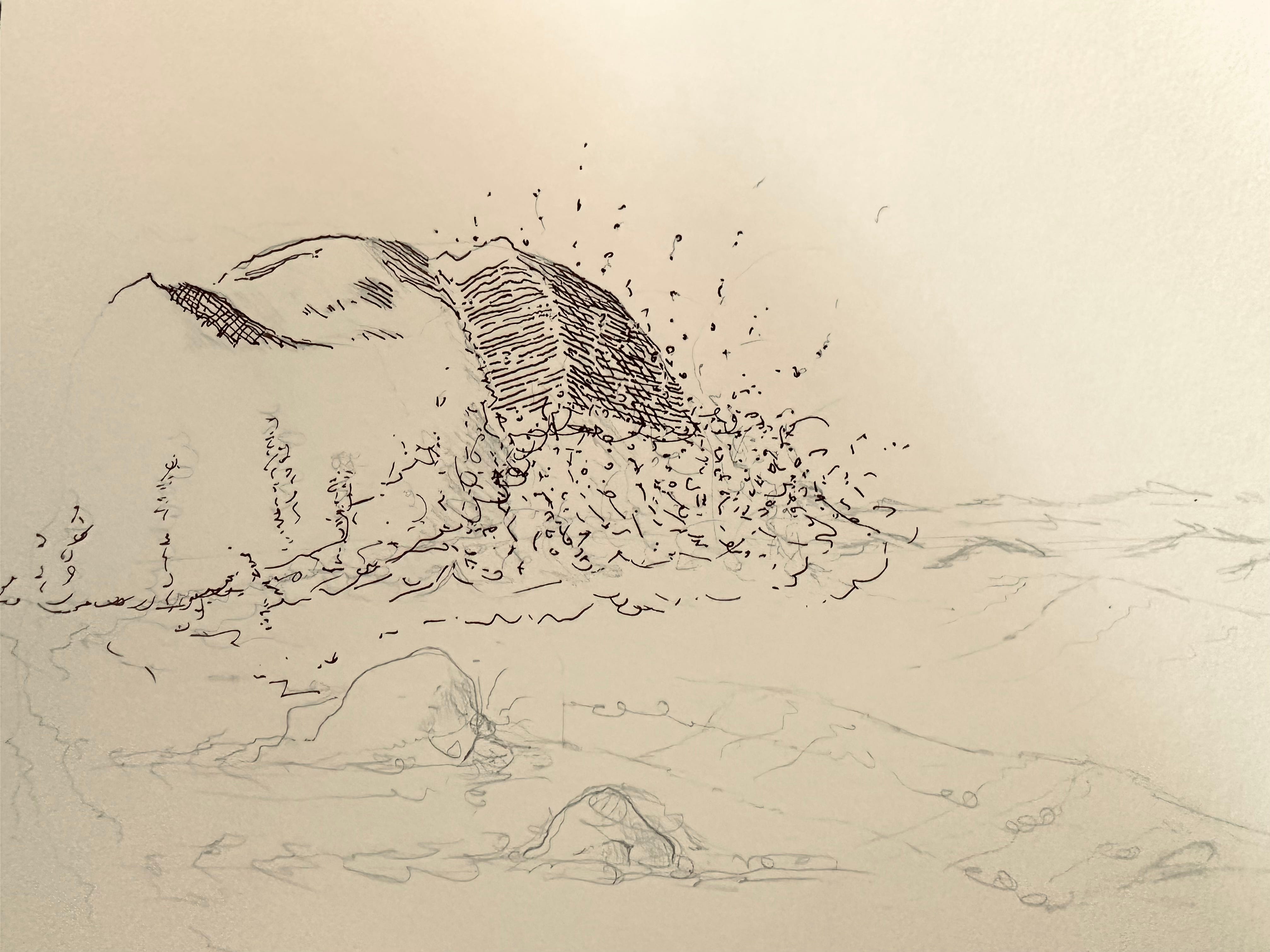
Now imagine yourself as a massive, soaked but sturdy boulder on a rocky shoreline. Waves explode against you at high tide and lap softly at low tide. They never stop — crashing, receding, returning again. Drama. Problems. Big energy slamming up against you, ceaseless and demanding.
But you are the rock. You’ve been here for centuries and will be for centuries more. You do not deny the waves, but neither are you swept away by them. You don’t chase them, you don’t fight them, and you certainly don’t follow them out to sea. You remain — steady, grounded, immovable. And here’s the truth: your reliability does not make you weak. Your sturdiness does not make you the fixer. It makes you the anchor.
Growth begins the moment you stop swinging blindly at the external situation and start tending to the internal one. The moment you realize that solving the burnout is part of solving the problem. That climbing out of your own hole is not selfish — it’s necessary.
Once your capacity has been replenished you can experiment without fear. You can sustain the climb and emerge from the hole, and it won’t be because the external problem vanished. It will be because you remembered how capable you are of being the rock, not the wave. To manage both yourself and external uncertainty.
Be the rock.